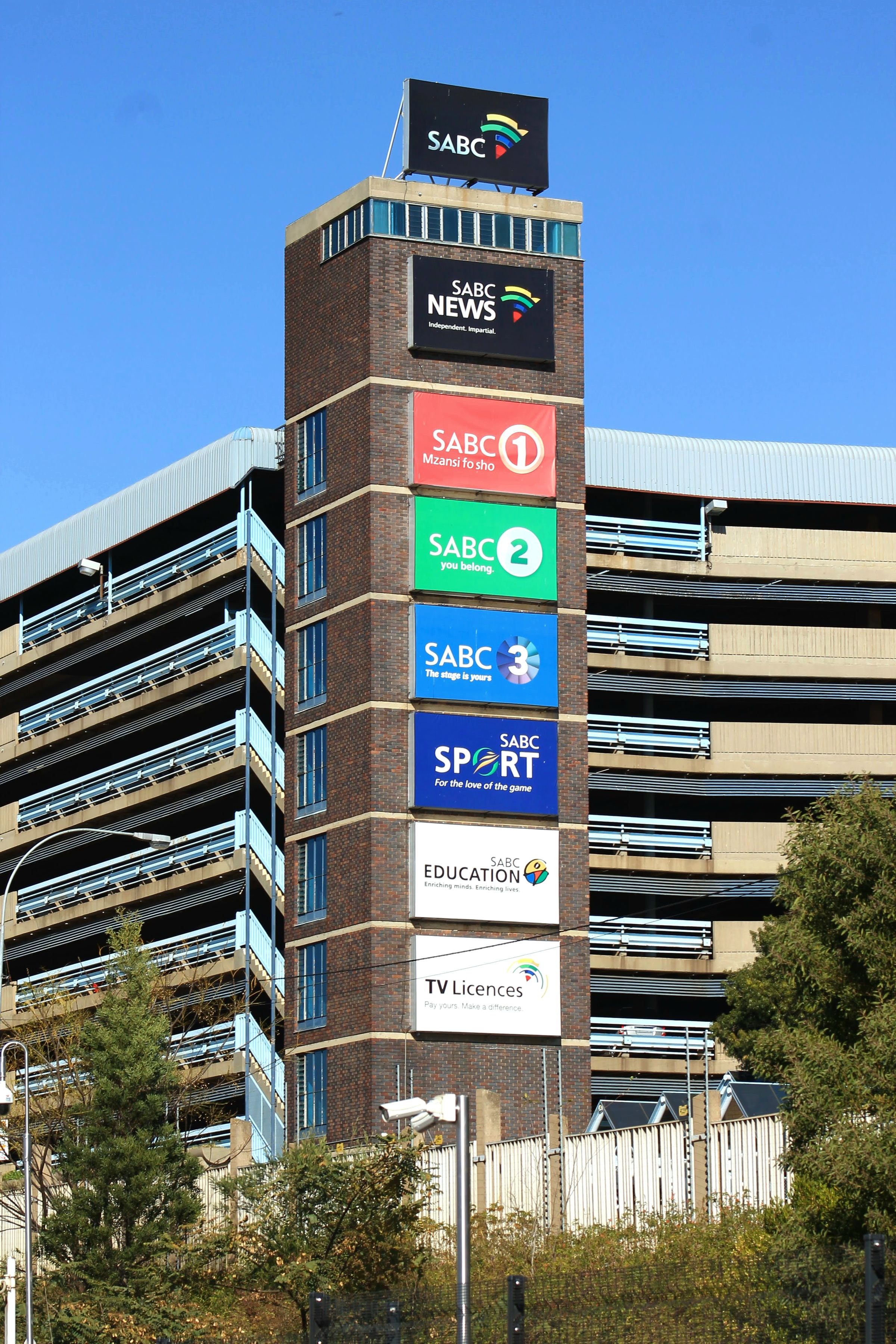
SABC News has placed the murder trial connected to the deaths of the rapper known as AKA and Tebello “Tibz” Motsoane under live coverage, a decision that puts the workings of the court itself in front of a national audience. For readers tracking questions of accountability, the significance lies less in spectacle and more in what sustained, real-time reporting from a courtroom makes visible: how a prosecution unfolds, how a judge manages proceedings, and whether the institutions charged with delivering justice perform their mandates in public view.
Live trial coverage is an instrument of transparency. It removes the filter of end-of-day summaries and lets the public observe testimony, cross-examination and rulings as they happen. In a case of this prominence, that visibility matters. The victims were public figures, and public confidence in the criminal justice system is tested most sharply when a case attracts wide attention. Broadcasting the proceedings is one way an oversight-minded newsroom can let citizens judge for themselves whether the process is being conducted with due diligence.
The accountability questions in any murder trial are structural. Who was charged, on what evidence, and by which investigative authority. What disclosure has been made to the defence. Whether the prosecution’s case is presented coherently and whether the defence’s challenges are heard without obstruction. How the presiding officer maintains order and applies the rules of evidence. None of these questions can be answered from a press release. They emerge only from sustained observation of the courtroom, which is precisely what live coverage enables.
There is also an institutional dimension to the choice of format itself. A public broadcaster committing resources to rolling coverage of a single trial is making an editorial judgment that the administration of justice in this matter is a matter of public interest. That judgment carries obligations. Reporting must remain accurate, avoid prejudging the accused, and respect the boundaries the court sets on what may be published. Trial by media is a real risk in high-profile cases, and a responsible live desk distinguishes between reporting what happens in court and speculating about guilt or innocence.
Meanwhile, the stakes are distributed unevenly. For the families of the deceased, the trial represents the state’s formal answer to their loss, and its pace and conduct will be scrutinised. For the accused, it is the forum in which the presumption of innocence operates. For the public, it is a rare window into how the criminal justice machinery actually works, from the swiftness or slowness of proceedings to the quality of the state’s case. Live coverage does not guarantee accountability, but it makes evasion harder.
As the trial proceeds, the measure of this coverage will be whether it helps the public follow the facts as presented in court, holds the relevant institutions to their statutory duties, and resists the pull of sensationalism. SABC News’s live format places that responsibility squarely on its newsroom, and readers watching the proceedings unfold will be able to assess for themselves both the case and the system adjudicating it.