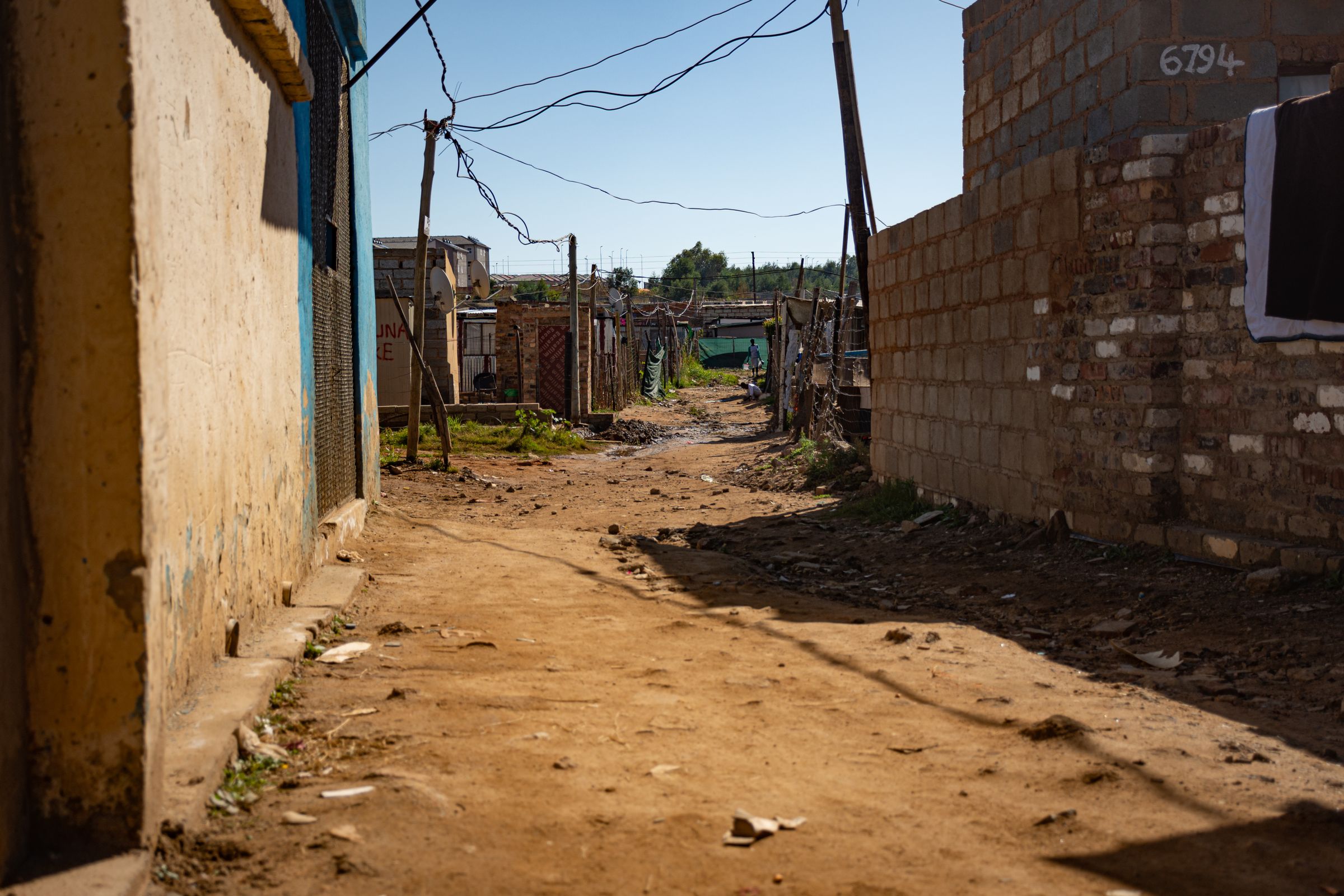
For families living in informal housing across Gauteng, the summer ahead could be the most dangerous in living memory. Climatologist Professor Francois Engelbrecht of Wits University identifies these residents as facing the single greatest risk of the coming season. A heatwave lasting 10 to 14 days could push maximum temperatures to 35 degrees Celsius, with some days climbing above 40. For people in such housing without easy access to cooling water, he says, that heat is literally a life-threatening situation.
The warning sits within a broader and troubling picture. Drier conditions and a heightened risk of drought across the southern part of the region, particularly in South Africa and southern and central Mozambique, are expected to persist because of the weather pattern known as El Niño. The World Meteorological Organisation cautions that the conditions could increase risks to agriculture, water resources, food security and livelihoods, touching the daily lives of farmers, households and communities that depend on both.
Engelbrecht does not mince words about the scale of what is coming. “This is certainly going to be the strongest El Niño event ever recorded,” he says. “Measurements go back to 1850, so this will be a super El Niño.” A super El Niño, he explains, is defined by sea surface temperature anomalies in the central-eastern tropical Pacific Ocean of two degrees Celsius or higher, and temperatures there are already three degrees Celsius above where they should be in that critical part of the ocean. The open question, he adds, is what the effects will be across the world, including in Southern Africa, where El Niño events are known to bring below-normal rainfall and above-normal temperatures.
Meanwhile, behind the science lies a set of pressures that households already feel. Minister in the Presidency Khumbudzo Ntshavheni says the anticipated El Niño conditions pose heightened risks to water resource availability and municipal water security, particularly in areas already experiencing constrained supply or elevated demand. If the conditions materialise, she warns, the consequences for the agricultural sector in terms of drought preparedness and food production would be severe, and that in turn would affect food security. “We are aware that South Africans are already experiencing a high cost of living,” she says, noting that Cabinet has discussed an intervention plan and that the President will put together an interministerial committee to focus on the response. Cabinet has already received a report on the potential impact of El Niño and is considering measures to mitigate the associated risks.
Those who work the land are watching closely too. Jolanda Andrag, Chief Operating Officer at AgriSA, says the message to the value chain is to remain vigilant. The South African Weather Service points to a warmer, drier season across much of the country as El Niño develops, which she says raises real risks for crop yields, grazing, water availability and farm finances. Yet she urges perspective. A seasonal forecast does not confirm a drought, and its impact will vary by region. The latest Crop Estimates Committee estimate puts the 2024/25 maize crop at 17.5 million tonnes, and that figure, alongside good soil moisture, dam levels and grain stocks, gives South Africa a stronger starting position. Even so, she cautions, those numbers describe crops already harvested; they cannot guarantee what is coming or what will be produced in the next season.
By contrast, there is one area where the outlook may bring some relief. Experts have warned that cyclone tracks are expected to shift southward, potentially reducing the risk of landfall in Madagascar and Mozambique. For communities along those coasts, that shift could mean one fewer threat in a season already crowded with them. The projections, described in the brief as quite grim, are expected to affect temperatures, rainfall and tropical cyclone patterns, with consequences flowing through every climate-sensitive sector. What remains uncertain is the exact shape of the season ahead. What is clear is that for residents of informal housing, for farmers weighing their next planting, and for households already stretched by the cost of living, the months to come will demand preparation and vigilance.