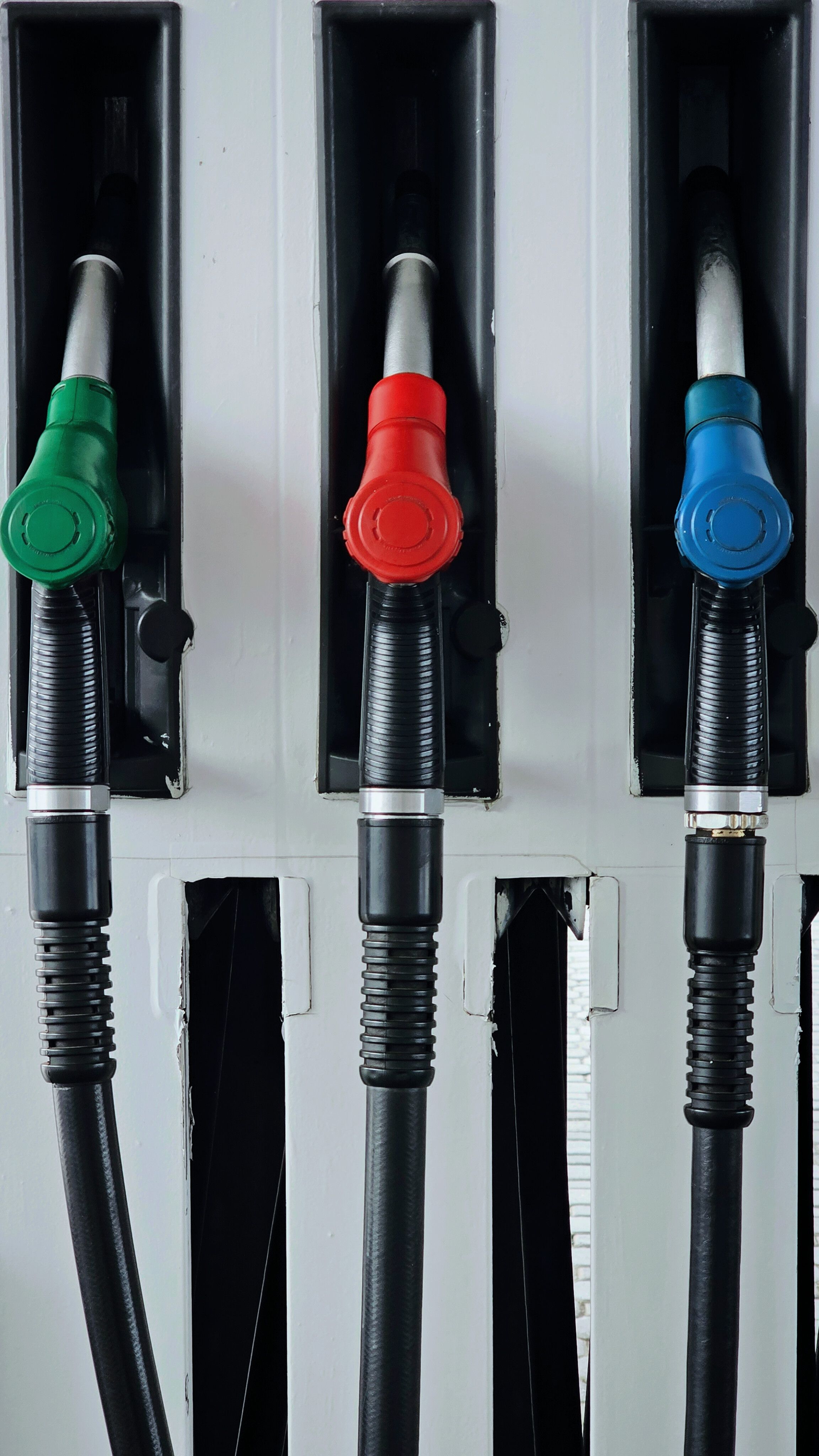
Google Maps begins rolling out fuel price data to British motorists on Thursday, showing petrol and diesel costs alongside forecourt locations when users search for filling stations. The feature draws on the government’s Fuel Finder scheme, a delivery mechanism that obliges UK forecourts to upload their prices within 30 minutes of any change.
The addition lands at a moment of strain. Diesel topped £2 per litre for the first time in recent days, a milestone RAC policy head Simon Williams called “a price threshold no one wanted to cross”. It has since fallen by 2p. Even so, the AA calculates that an average 55 litre tank of diesel still costs around £110, with the petrol equivalent at roughly £96. Global fuel prices have been dramatically affected by the US war with Iran and Russia’s war with Ukraine.
For a service built on timely reporting, the reliability of the underlying feed is the central operational question. Some experts say Fuel Finder is not entirely dependable. Clare Lafferty, director at the price comparison site PetrolPrices, said her firm still supplements the government feed with other data sources because, on its own, it does not provide the coverage and accuracy needed to deliver a complete and reliable service to motorists. Some sites have not registered with the scheme at all, she noted, while others have registered but fail to update prices consistently within the required timeframe. In September, the firm identified 200 forecourts it did not believe had updated their diesel prices in time.
Google says it is closing that gap at its own end. Sarah-Jayne Williams, director of product partnerships for Google Maps and Waze, said the company would check the data independently and would not display prices it believed were out of date. “Accuracy is very important, so we will still show the petrol station and where it is, but you’ll only see a price if we have high confidence that it’s the right price,” she said. Meanwhile, the Petrol Retailers Association, which represents thousands of UK forecourts and petrol retailers, said its members were complying.
The practical significance of the move lies in reach. Multiple apps already exist for finding the cheapest fuel, and the navigation app Waze has offered the feature for some time, used by around 2 million people in the UK. But Google Maps is used by 77% of Britain’s adult population for general navigation, according to Ofcom, giving the new feature a far wider potential audience than dedicated fuel apps. Apple Maps does not show fuel prices, although some third-party apps can link to its maps on iPhones.
Fuel Finder itself was launched in February by former chancellor Rachel Reeves, who said at the time it could save households £40 per year. Whether the scheme can now deliver that promise at national scale depends on registration rates and update discipline across thousands of forecourts, with Google’s independent verification layer acting as a further check before the data reaches drivers. More detail on the story is available at https://www.bbc.co.uk/news/articles/ckx2d4ddjn2eo.