South Africa is making the case that a work trip should not end when the meeting does, and for travellers whose calendars are filled with conferences and exhibitions, that argument carries real weight. At the South Africa Marketplace at the Magical Kenya Tourism Expo, the focus was on turning business travel into a more rewarding experience by adding a few days of discovery around professional commitments. The pitch is simple: if you are already flying in for a conference, why not stay a little longer and come home rested rather than exhausted?
The logic starts with what travellers give up on the standard three-day circuit. Flying to South Africa for three days, spending most of them in meeting rooms and then flying straight back to Nairobi, the source material suggests, simply does not do the country justice. From the moment of arrival, it becomes clear that this is not a destination to be experienced by walking in and out of airports or glimpsed through a hotel window. For the individual traveller, the appeal is straightforward: a work trip can become the starting point for a proper holiday, one the source describes as one you truly deserve.
What makes this practical rather than aspirational is the country’s range. Few destinations offer such a compelling mix of world-class business infrastructure, direct access to nature, diverse food and culture, excellent wine, beaches, golf and wildlife, often within the same trip and visa free. South Africa is a leading destination for meetings, incentives, conferences and exhibitions, with well-equipped venues, experienced event professionals and a choice of cities and landscapes. That variety, described as one of the country’s hidden gems, allows a visitor to move from city to coast, culture to wilderness, without needing several separate holidays.
The calendar itself offers reasons to linger. Cricket fans have the South Africa vs Australia first Test at Kingsmead Stadium in Durban from 9 to 13 October 2026, a chance to watch two of the world’s best cricketers go head to head and an excuse to explore KwaZulu-Natal before or after the match. Golf lovers whose Kenyan circuit is done can plan around the Nedbank Golf Challenge, returning to Sun City from 3 to 6 December 2026. Professionals travelling to Cape Town for the Investing in African Mining Indaba in February 2027 could add time for the city’s beaches, food, wine and scenery, and the Investec Cape Town Art Fair, also in February 2027, offers another opening to pair business with culture.
For those whose work takes them to KwaZulu-Natal, the advice is to resist the urge to head straight to the airport. The province offers warm beaches, rich Zulu heritage, excellent food, adventure and accessible wildlife, and it is flexible enough to work around a tight schedule. With 48 hours, a visitor could explore Durban’s coastline and food scene, experience local culture or escape to the surrounding countryside. With a few more days, a game reserve, the Drakensberg or the historic Battlefields can be added. The image offered is a familiar one: finishing a final meeting, swapping a blazer for something more comfortable and discovering another side of the province.
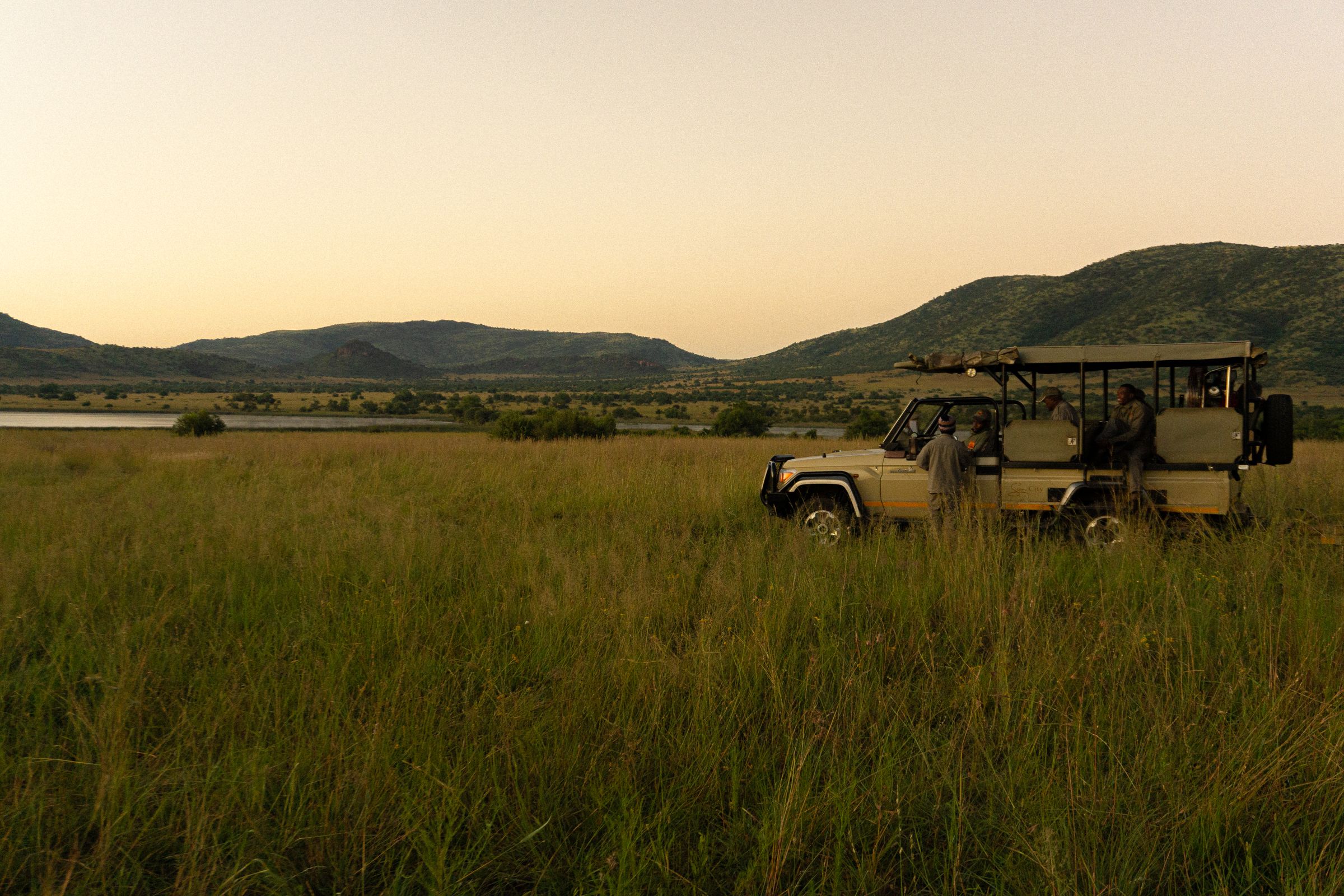
Meanwhile, Mpumalanga makes the transition from business to wilderness even more dramatic. The region offers access to the Kruger National Park, one of Africa’s most celebrated safari destinations, as well as the spectacular Blyde River Canyon and the Panorama Route. One moment you are discussing quarterly targets; the next, you are watching wildlife, taking in vast escarpment views or sitting quietly in the bush. A safari, the source stresses, does not have to be a separate, complicated expedition; with careful planning it can be added to a city-based work trip.
There is no single South African holiday experience, and the country reportedly changes every time you visit. Families, couples, golfers, food lovers, art enthusiasts and adventure seekers can all build a trip around their interests, and travellers with specific dietary or cultural requirements can find experiences designed with their needs in mind. Legend Tours, for example, creates itineraries across leisure, family, golf and culturally sensitive travel, adapting plans to travellers’ interests, budgets and requirements. Specialist operators such as Syavaya can arrange pre- and post-event touring, so travellers do not have to plan every detail themselves. The destination can be as active or as relaxed as you want, whether that means golf, wine, art, food, shopping, hiking, beaches or wildlife, or all of them combined.
Extending a trip does require planning. Travellers are advised to check flight schedules, connection times, baggage arrangements and transfer distances before booking, and South African Airways and Airlink can help connect travellers to additional destinations. There is nothing relaxing, the source notes, about a holiday involving six transfers and a 5am airport call.
As work-life balance becomes a bigger priority, the underlying message is clear. Business travel does not have to mean arriving, working, networking and leaving. It can mean exploring, discovering and being inspired: a safari after a conference, a coastal escape after a meeting, a wine-country weekend after an exhibition or a few quiet days in the mountains. For travellers weighing their next work trip, the suggestion is to explore destination inspiration and travel-planning information through South African Tourism, or speak to a travel partner about building a leisure stay around work commitments. South Africa awaits, and the invitation is to stay a little longer.