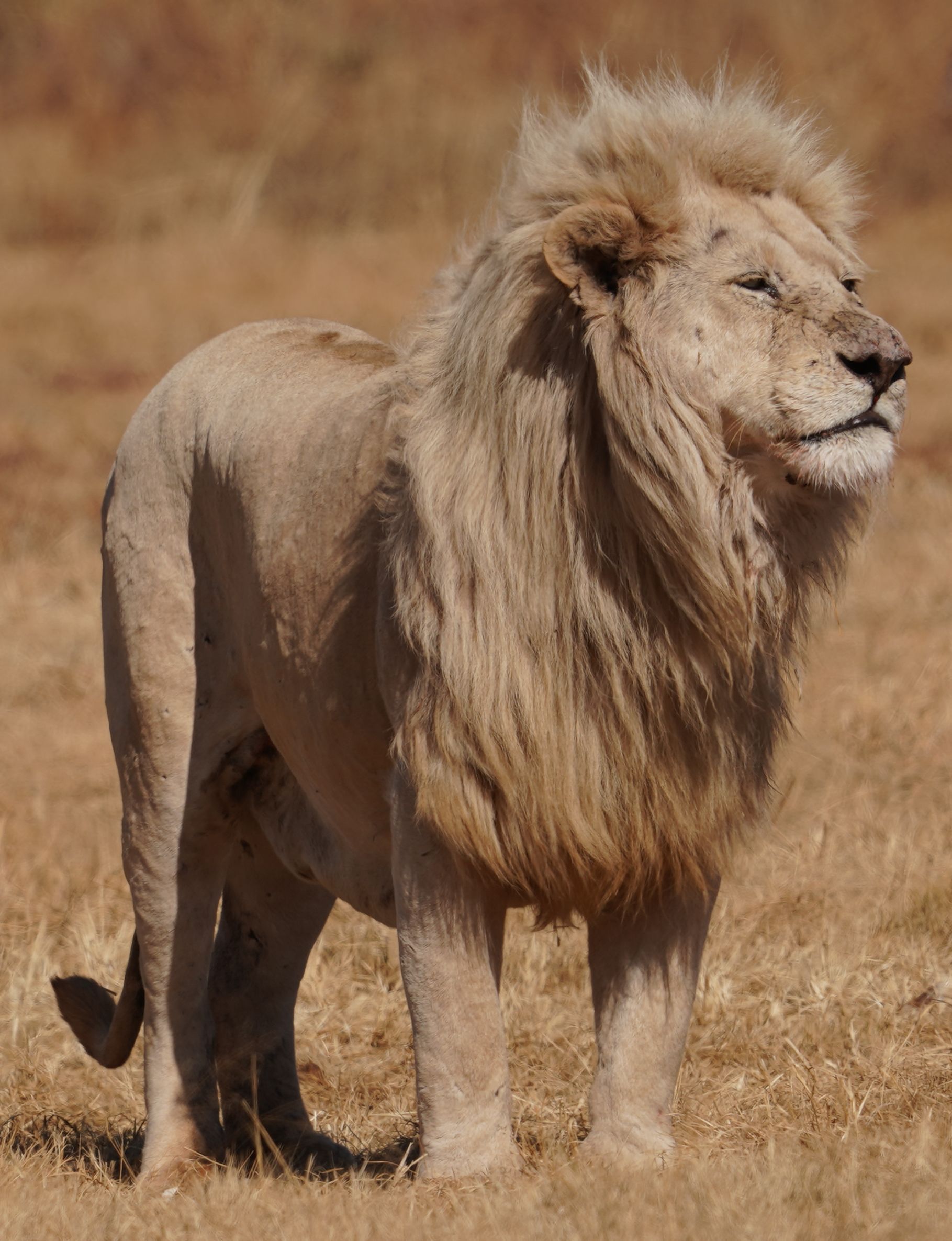
South Africa’s framework for protecting wild animal wellbeing has survived its most serious legal test, and attention now shifts from the courtroom to the harder question of implementation. On 9 October 2026, the Constitutional Court dismissed a challenge brought by the South African Hunters and Game Conservation Association, leaving in place amendments to the National Environmental Management: Biodiversity Act that require animal wellbeing to be weighed in decisions on wildlife conservation, management and sustainable use.
The provisions at the centre of the case go beyond a simple duty to keep animal populations alive. They recognise that wildlife protection must also account for the physical and mental health of animals, their quality of life and their ability to cope with their surroundings. In practical terms, any authority assessing hunting, game farming or other wildlife management activities must now build wellbeing considerations into its decision-making.
SA Hunters had argued that changes made to the definition of animal wellbeing during the legislative process should have been opened to further public consultation. The association also raised concerns about how the provisions could affect activities such as hunting and game farming, framing the case as a matter of procedural fairness and operational impact for those who work within the sector.
The court was not persuaded. It found that the association had waited more than 25 months to bring the challenge without adequately explaining the delay, and it also examined the merits of the application and judged its prospects of success to be doubtful. SA Hunters was ordered to pay the legal costs of the National Council of Societies for the Prevention of Cruelty to Animals (NSPCA) and the EMS Foundation, the two organisations that opposed the application.
For the operators and managers whose day-to-day work the amendments touch, the ruling clarifies rather than disrupts the landscape. The decision does not ban hunting or other wildlife management activities. What it does is confirm that animal wellbeing must remain part of the assessment whenever these activities are evaluated, adding a dimension that agencies and practitioners will need to account for in their processes.
The NSPCA and the EMS Foundation welcomed the judgment. The EMS Foundation went further, calling for the Wildlife Wellbeing Forum to be reconvened so that the statutory provisions can be translated into practical policies, regulations and decision-making tools. That call points to the real work ahead: the legal principle is settled, but the machinery for applying it consistently across conservation and management decisions still has to be built.
This is the gap that now defines the next phase. A requirement written into the Biodiversity Act only becomes meaningful when it shapes how permits are considered, how wildlife populations are managed and how sustainable use is assessed on the ground. The EMS Foundation’s push to reconvene the Wildlife Wellbeing Forum reflects exactly that concern, namely that the provisions need supporting structures if they are to function as intended rather than remain statements of principle.
Meanwhile, the outcome carries weight for the wider conservation community, which has followed the case as a test of whether wellbeing standards can withstand legal pressure from within the sector itself. Reference coverage of the protections and the reasoning behind them has been published by Getaway Magazine at https://www.getaway.co.za/wildlife/animal-wellbeing-protections-south-africa/, which situates the amendments within South Africa’s broader animal wellbeing framework.
For now, the immediate effect of the judgment is continuity. The amendments stand, the obligations they impose remain in force, and the organisations that opposed the challenge have been vindicated at a procedural and substantive level. The longer-term test will be delivery: whether the Wildlife Wellbeing Forum is reconvened, whether regulations and policies follow, and whether decision-makers across the conservation and wildlife management sectors are equipped to apply the wellbeing standard in practice. The court has settled what the law requires. Turning that requirement into working systems is the task that remains.