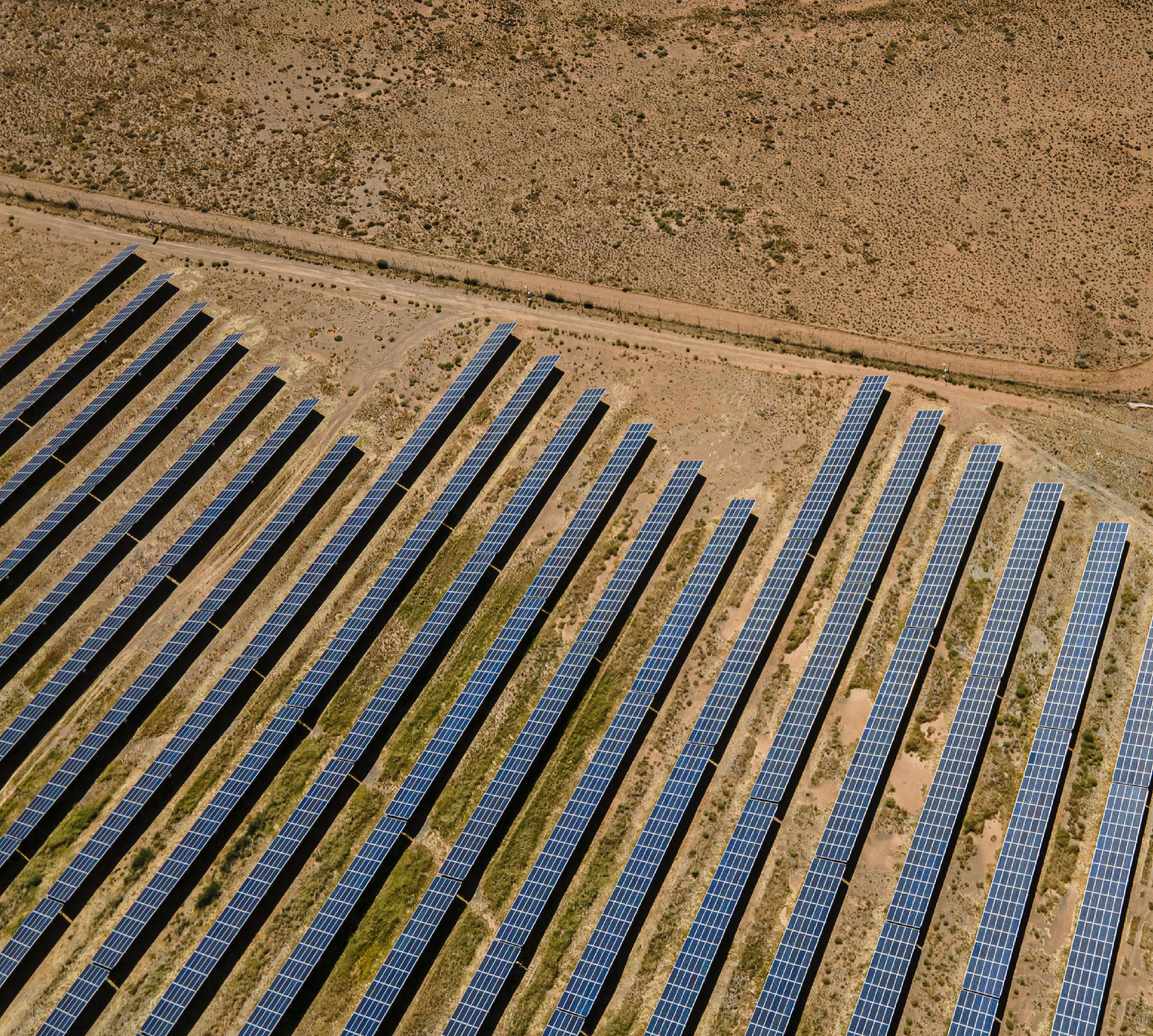
Solar & Storage Live Cape Town, held on 20-21 October, put a governance question at the centre of South Africa’s energy transition: can government policy keep pace with a solar and storage market that no longer needs rescuing from load shedding? Industry leaders at the conference argued the transition has moved from emergency response to a matter of investment conditions, industrial policy and regulatory consistency.
Dr Rethabile Melamu, chief executive of the South African Photovoltaic Industry Association (SAPVIA), told the event that growth is now occurring across residential, commercial and industrial markets, as well as in utility-scale projects driven by large energy users such as mines. Her framing placed the burden squarely on policymakers. The private sector is moving, she suggested, and the question is whether government will create the conditions for that movement to translate into domestic industrial value.
The market signals are considerable. South Africa already ranks among the world’s top 20 solar markets, and the industry expects the country to break into the top 15 by the end of 2026, according to Melamu. She described the continent’s largest solar market as one now growing across every segment, though at different speeds. Residential uptake, she said, is no longer a reaction to load shedding but a financial decision, driven by the steep rise in grid electricity prices against the declining cost of solar and storage.
“Overall, the solar market is growing. South Africa has the biggest solar market in the continent and is in the top 20 in the world, and we think by the end of the year we will be in the top 15 solar markets in the world,” Melamu said.
For commercial and industrial customers, cost is likewise the driver, while utility-scale demand is being pursued by large energy users such as mines seeking competitiveness and sustainability targets. “There is growth across different market segments; however, the pace at which growth is materialising is different. It’s no longer panic driving the residential market, but cost. The cost of electricity has skyrocketed, while the cost of electricity from solar and storage has declined, so it has become a no-brainer for residential customers in middle- and high-income households,” she said.
Battery storage is expanding what solar can contribute to the electricity system, and here the accountability question is explicit. By storing excess generation for use when demand rises or sunlight is unavailable, batteries allow businesses to manage consumption and improve supply reliability. Melamu argued that storage also offers policymakers an immediate lever against grid capacity constraints while longer-term transmission investment catches up.
“This makes solar and storage dispatchable capacity that can be deployed now, offering an immediate response to grid capacity constraints while longer-term transmission investment catches up. It also offers a practical route to reducing curtailment and to extending reliable power to households and communities the grid does not yet reach,” she said.
Meanwhile, the industrial policy dimension is where Melamu was most pointed about government’s role. SAPVIA has commissioned two localisation studies to identify opportunities across the solar value chain, and she highlighted cable manufacturing as an area where South African companies already have established capabilities. Her argument was that government should support local industries where the country holds a competitive advantage rather than focus primarily on importing solar cells for local assembly.
The stakes she attached to that choice are considerable. Assembling imported cells could create dozens of jobs, she said, while scaling up local cable manufacturing could support hundreds or thousands. Whether that potential is realised, she cautioned, depends on consistent policy, sufficient demand and an investment environment that gives manufacturers the confidence to expand.
The broader picture, as reported in coverage of the event including at https://thenational.co.za/news/2026-10-27-south-africa-s-solar-market-moves-beyond-load-shedding-backup/, is one in which renewable energy has become a strategic business investment rather than an emergency measure, as grid electricity grows more expensive and solar technology costs decline. That shift places the emphasis squarely on the decisions now before government: whether policy, demand signals and investment conditions can be aligned quickly enough to capture the manufacturing and employment benefits the industry says are within reach.