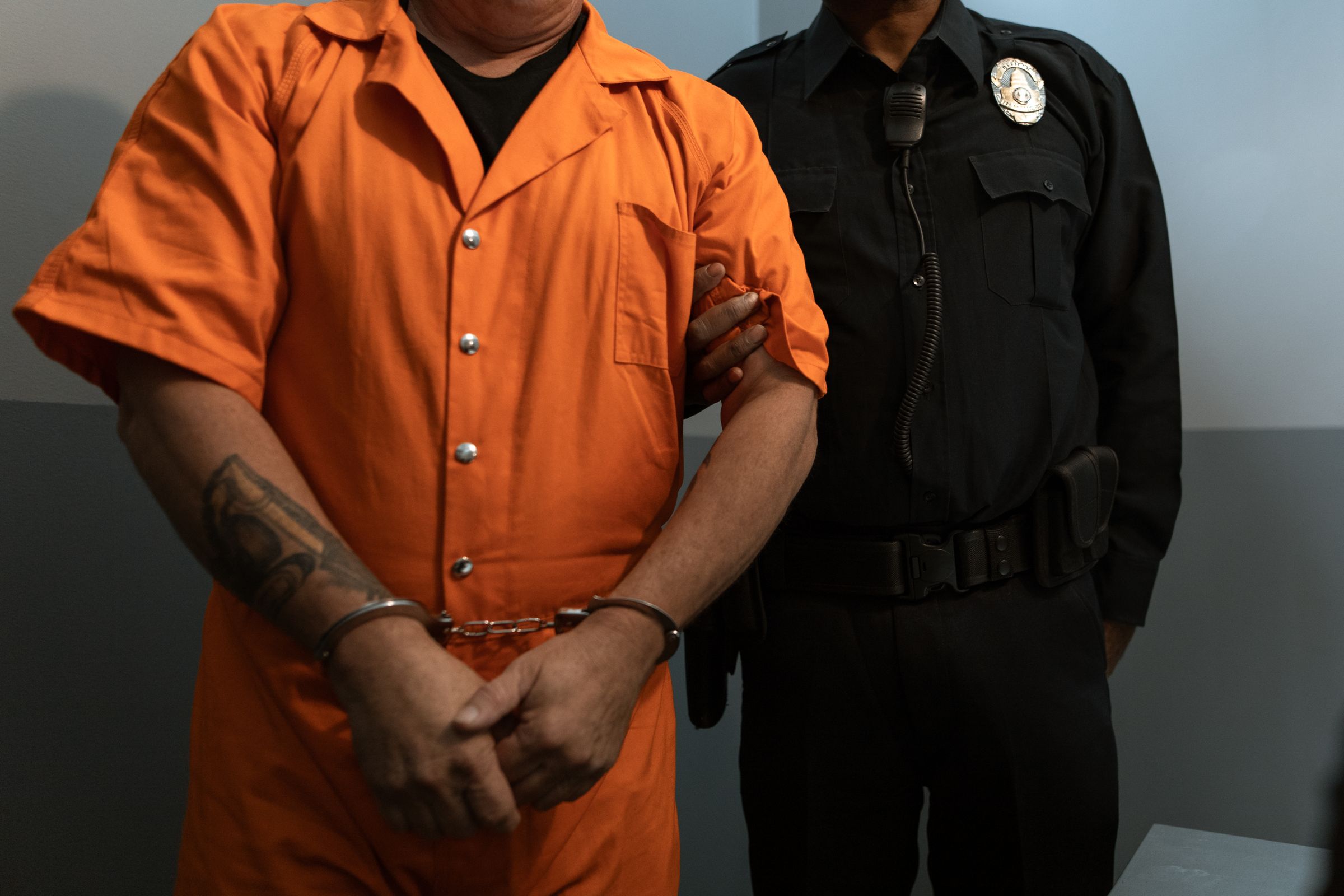
Suliman Carrim will spend at least another week behind bars after the Musina Magistrate’s Court denied him bail and ordered that he remain in custody until 23 November 2026, while police continue building their case against him.
The North West businessman’s continued detention matters beyond his own circumstances. The case tests how courts weigh honesty in bail applications, a safeguard that protects the integrity of the justice system on which every citizen relies.
Magistrate Jerry Davhana found that Carrim had failed to convince the court that he should be released. Central to the ruling were concerns about the accuracy of the financial information Carrim and his legal team placed before the court. The magistrate questioned why Carrim had allegedly failed to disclose nine properties and eight companies in the financial records submitted as part of his application. In the magistrate’s view, those omissions called into question the accuracy and honesty of the information provided, a matter that touches directly on public confidence in the bail process itself.
The magistrate also cited alleged non-compliance with previous bail conditions imposed by the Pretoria High Court, along with questions raised about Carrim’s residential details. Together, these concerns formed the basis of a ruling that prioritises the court’s ability to trust the word of an applicant before granting release.
Meanwhile, the state argued that it had already presented a prima facie case against Carrim, one that he would need to answer. Prosecutors also challenged a key element of the defence’s argument: the suggestion that Carrim’s possession of a flight ticket to the United Arab Emirates at the time of his arrest at OR Tambo International Airport on 15 October showed that he intended to return to South Africa rather than leave the country.
The magistrate was not persuaded. In his view, the possession of a flight ticket alone was insufficient to convince the court that Carrim would return if released. For the public, that reasoning reflects a longstanding principle of bail law, namely that release requires more than bare assurances, particularly where questions about an applicant’s candour have been raised.
Evidence of alleged communication between Carrim and two employees also featured during proceedings. The two men, identified as Zakes Ibrahim and Musa Phiri, are themselves implicated in the matter. The state referred to WhatsApp exchanges and a letter allegedly linked to the employees. The magistrate cautioned, however, that questions about the letter’s authenticity and the contents of the messages would be left for determination at trial, an important reminder that allegations heard at bail stage are not findings of guilt.
Carrim faces charges of attempted motor vehicle theft and uttering. His legal team had sought his release on bail following his arrest, but the court declined. The matter has been postponed until 23 November 2026 for further investigation, and it is possible that all three accused might appear together as the case progresses. Carrim will remain behind bars until his next court appearance.
For readers following the case, further reporting is available through the reference source at https://mg.co.za/news/south-africa/2026-11-16-suliman-carrim-denied-bail-remains-in-custody-until-23-november/
The ruling underscores a broader point of civic relevance. Bail decisions rest on the court’s assessment of whether an applicant can be trusted to return and to deal honestly with the process. When financial disclosures and prior conditions come into question, the court’s gatekeeping role serves the public interest by ensuring that liberty pending trial is granted only where the system’s safeguards hold. The next chapter of the case will unfold in the same public courtroom, where those safeguards will again be tested.