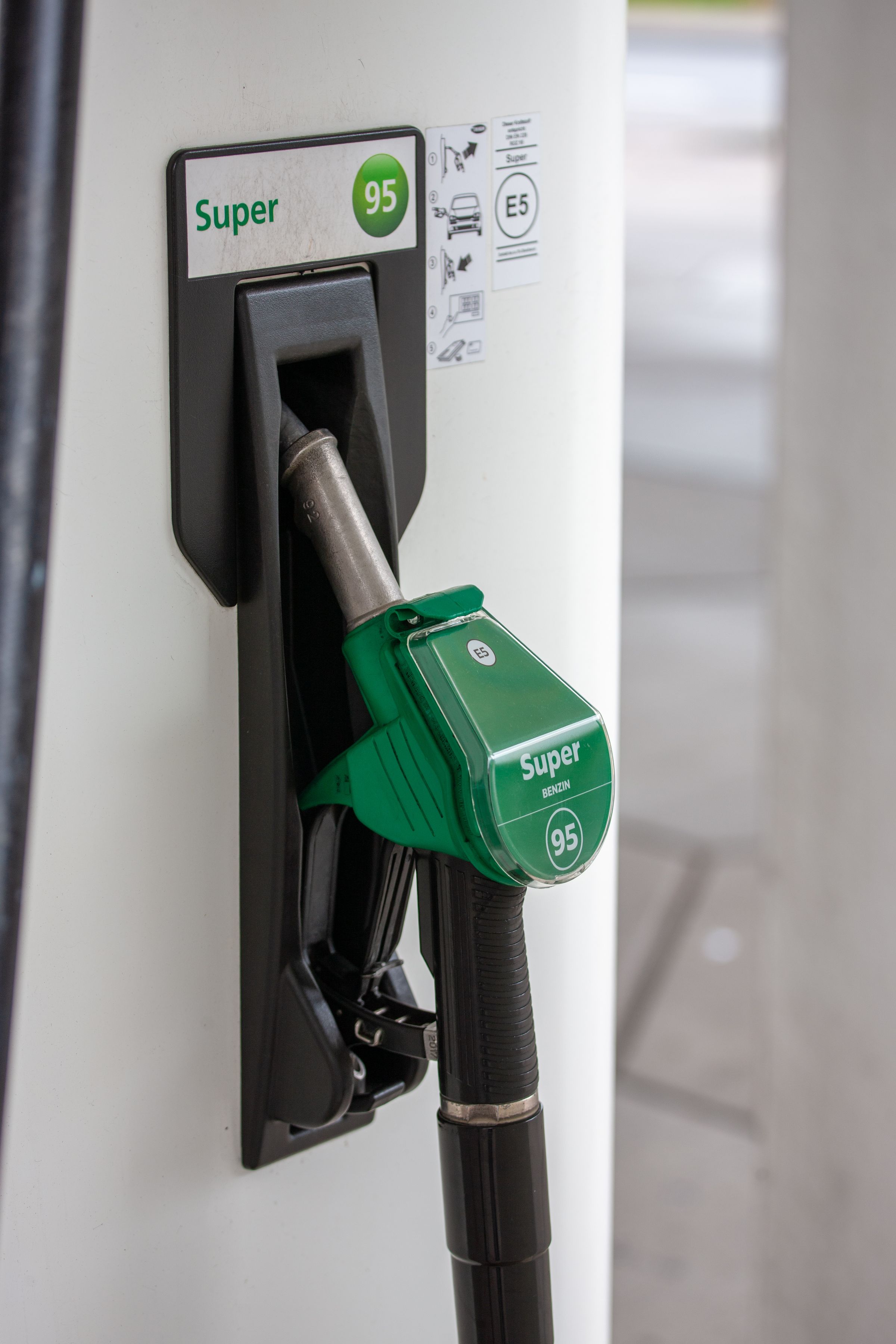
South Africa’s fuel-price adjustment took effect on Wednesday, October 7, and its mechanics are straightforward: 95 unleaded petrol rose by R3.33 a litre, 93 unleaded by R3.12, and diesel by between R2.84 and R3.24 a litre depending on grade. In the coastal pricing zone, which includes Cape Town, 95 unleaded now costs R29.38 a litre. But the operational significance of the change lies less at the pump than in the machinery of movement that keeps the country supplied, because almost everything that travels on South Africa’s roads, rails and delivery routes runs on the fuel that just became more expensive.
The Department of Mineral and Petroleum Resources attributed the increases largely to higher international oil and petroleum-product prices. During the review period, the average Brent crude price climbed from $87.89 to $101 a barrel, and global supply concerns along with higher shipping costs added further upward pressure. Those are the upstream inputs. The downstream question is how the cost works its way through transport operators, supply chains and, eventually, household budgets.
For the logistics sector, diesel is the operative number. A truck carrying food to a supermarket runs on diesel, as does the machinery and transport that farmers rely on. Bakeries must move flour and other ingredients. Delivery companies must keep their vehicle fleets moving, and tradespeople such as plumbers and electricians need fuel to reach customers. When the price of that input rises, operators face a decision: absorb the cost, cut expenses elsewhere, or pass some of it on through higher prices. Business Unity South Africa has previously warned that sustained fuel increases can put pressure on operating costs, balance sheets, employment and investment.
Passenger transport operators sit under the same pressure. Taxis, buses, delivery services and e-hailing operators all face higher running costs, and the effects were already visible before this adjustment. In June, Stats SA recorded a sharp increase in transport inflation, with fuel prices up 34.3% over the preceding 12 months at that point, and passenger transport prices, including minibus taxi fares and e-hailing services, also rising. The practical consequence is that someone who never fills a petrol tank still feels the increase through the cost of getting to work, sending children to school or travelling to the shops.
Meanwhile, the inflation channel is where economists see the broader delivery risk. Investec chief economist Annabel Bishop has warned that the latest increases could push consumer inflation towards the 5% level. Fuel matters disproportionately because it is an input into the price of many other goods and services, not simply one line in the household budget. Yet the transmission is not automatic. PSG senior economist Johann Els noted that some businesses may absorb higher fuel costs rather than risk losing customers by raising prices, while households forced to spend more on transport have less money available for other purchases, a dynamic that creates a difficult cycle for both sellers and buyers.
At the household level, the arithmetic of the pump is the first and most visible effect. Filling a 50-litre tank with 95 unleaded now costs roughly R166.50 more, so a motorist filling up twice a month faces about R333 in additional monthly costs, or almost R4 000 a year if prices hold at this level. For households already carefully managing food, electricity, school costs, debt and transport, that money has to come from somewhere.
The increase itself is largely outside any individual household’s control, but the knock-on effects can be managed to a degree. Planning trips to cut unnecessary driving, combining errands, car-sharing where practical, and comparing prices between nearby stations all help, as does assessing the total monthly cost of transport rather than only the price displayed at the pump.
The larger point is about how the system actually works. Fuel is an economic input that determines how people, food, goods and services move around the country, and the first shock at the bank card is only the beginning. The real impact of a fuel-price increase can take weeks or months to work through supply chains and household budgets, and for many South Africans, that is where the real pain begins.