Introduction
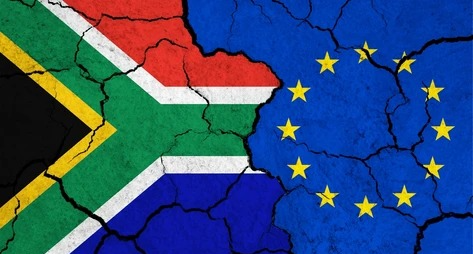
The Luanda Summit brings together African Union and European Union leaders at a time when both continents are reshaping their political and economic strategies. Hosted in Angola, the meeting marks 25 years of partnership and focuses on how Africa and Europe can strengthen cooperation in an increasingly complex global environment. With the theme “Promoting Peace and Prosperity Through Effective Multilateralism,” leaders aim to build a framework that addresses security challenges, economic recovery, climate pressure, and global instability. The discussions go far beyond symbolic diplomacy. For many African and European citizens, the real measure of success will be whether Luanda produces actions that improve daily life, expand opportunities, and create a more balanced future between the two regions.
Luanda Summit and the Evolution of a 25-Year Partnership
The Luanda Summit highlights the evolution of AU-EU relations over the past quarter-century. Earlier cooperation was shaped by donor-driven models and heavily focused on development assistance. Today, both continents are confronting new priorities that demand more equal and interest-based engagement. African leaders seek greater industrialisation, stronger value chains, and expanded political influence. European leaders are looking for secure partnerships, stable markets, and predictable alliances. This shift requires new frameworks based on transparency, shared decision-making, and clear commitments. Luanda offers a chance to modernise the partnership by learning from past limitations and designing practical mechanisms that translate political ambitions into real outcomes across both regions.
Luanda Summit and Regional Peacebuilding Efforts
At the Luanda Summit, peace and security occupy a central position. Parts of Africa continue to grapple with extremist groups, cross-border conflict, and political tensions. These issues also affect Europe by increasing migration pressure, disrupting trade routes, and amplifying geopolitical risks. In Luanda, African leaders emphasise the need for stronger local peacebuilding capacities, sustainable funding for African-led missions, and improved governance. European leaders highlight the importance of stability for economic growth and long-term investment. The discussions focus on coordinated security approaches, early conflict prevention, and support for democratic institutions. If the summit creates better security cooperation tools, it may contribute to reducing crises and reinforcing regional peace efforts.
Luanda Summit and Economic Transformation Opportunities
The Luanda Summit positions economic transformation as a foundation for future AU-EU relations. Africa’s fast-growing markets, expanding urban centers, and young workforce offer significant investment potential. Europe remains a major trade partner, but traditional models based on raw material exports and low technology transfer have limited value creation. In Luanda, leaders discuss new investment models that support manufacturing, renewable energy, digital services, and modern agriculture. These sectors can generate long-term jobs and diversify African economies. Europe aims to secure stable trade relations and reliable access to strategic resources, while African governments seek policies that strengthen domestic value chains. If designed well, these initiatives can create meaningful economic progress for both sides.
Luanda Summit and Financial Reform in a Global Context
The Luanda Summit also focuses on global financial challenges affecting African economies. Many countries face high debt, rising borrowing costs, and limited fiscal space for development. These pressures undermine growth and social stability. African leaders argue that the international financial system must become more inclusive, transparent, and responsive to their needs. Europe acknowledges that debt crises and financial instability can impact global markets and regional cooperation. In Luanda, leaders discuss reforms related to climate finance, special drawing rights, debt restructuring mechanisms, and new financial instruments that support sustainability. The aim is to shift from crisis-driven responses to a stable financial architecture that supports long-term development across the continent.
Luanda Summit and Climate Collaboration
The Luanda Summit reflects growing urgency around climate cooperation. Africa faces some of the harshest climate impacts, including droughts, floods, and food insecurity. Europe is pursuing climate neutrality and needs reliable partnerships to achieve green energy goals. The summit explores opportunities for collaboration on renewable energy, sustainable agriculture, conservation, and climate adaptation. African leaders call for fairer climate finance that does not increase debt burdens. European leaders emphasise technology transfer, clean energy projects, and nature-based solutions. If the summit leads to balanced agreements, it can support a transition that protects vulnerable communities while contributing to global environmental goals.
Luanda Summit and Digital Progress for Both Continents
The Luanda Summit gives major attention to digital innovation, a vital driver of development. Africa is seeing rapid growth in mobile payments, online health services, and digital entrepreneurship, yet large connectivity gaps remain. Europe brings regulatory strength, research capacity, and advanced digital ecosystems. In Luanda, discussions include digital governance, cybersecurity, e-government systems, and training programs aimed at developing digital skills among young Africans. Leaders are also exploring public-private partnerships to expand broadband access and support startup ecosystems. Effective digital cooperation can boost trade, modernise education, and create opportunities that bridge traditional development gaps.
Luanda Summit and Migration as a Shared Opportunity
The Luanda Summit approaches migration from a collaborative perspective rather than a purely security-driven one. Africa’s young population is looking for opportunities in labour markets, education, and innovation. Europe faces demographic shifts and labour shortages in several sectors. In Luanda, leaders debate how to create safe, legal, and structured mobility pathways that benefit both continents. This includes student exchanges, professional training, labour mobility partnerships, and recognition of qualifications. Cooperation against smuggling networks and investment in job creation at home are also on the agenda. A balanced approach to migration can strengthen human connections, reduce irregular flows, and generate mutual economic gains.
Luanda Summit and the Influence of Youth and Civil Society
The Luanda Summit integrates contributions from youth and civil society organisations, acknowledging their importance in shaping the future of AU-EU relations. Africa’s youth population is rapidly expanding and demands more agency in political and economic decision-making. Civil society groups highlight social justice, transparency, gender equality, and environmental protection. European youth movements also push for climate action and inclusive development. In Luanda, these voices present recommendations designed to make the partnership more accountable, participatory, and responsive to real community needs. Their involvement can help bridge the gap between high-level policymaking and local realities on the ground.
Luanda Summit and Long-Term Implementation Challenges
The Luanda Summit will conclude with a joint declaration outlining commitments in peace, development, climate action, and digital cooperation. However, the true challenge lies in implementation. Many past summits produced ambitious frameworks that struggled to achieve measurable results. Leaders in Luanda emphasise the need for realistic planning, clear responsibilities, and stronger monitoring tools. Regular progress reviews, transparent reporting, and involvement of regional institutions are critical for accountability. If the summit establishes a stronger implementation system, it can convert political ambitions into effective programs that deliver visible improvements in infrastructure, governance, and community development.
FAQs
What is the focus of the Luanda Summit?
The Luanda Summit focuses on security, economic growth, climate action, financial reforms, and multilateral cooperation between Africa and Europe.
Why is the Luanda Summit important?
The Luanda Summit is important because it seeks to build a more balanced, modern partnership that reflects new global realities and shared interests.
What outcomes are expected from the Luanda Summit?
The Luanda Summit is expected to deliver a joint declaration, investment commitments, reform proposals, and stronger cooperation frameworks for long-term development.
Conclusion
The Luanda Summit represents an opportunity for Africa and Europe to rebuild their partnership around shared priorities and practical solutions. Peace, security, economic transformation, climate resilience, and digital innovation all play essential roles in shaping the future of both continents. What will determine the summit’s lasting impact is not only the quality of its agreements but the strength of its implementation. If leaders follow through with consistent action, transparent reporting, and inclusive decision-making, Luanda could become a defining milestone in AU-EU cooperation, setting the stage for a more stable and prosperous future for millions on both continents.