Published on July 6, 2025
Overview
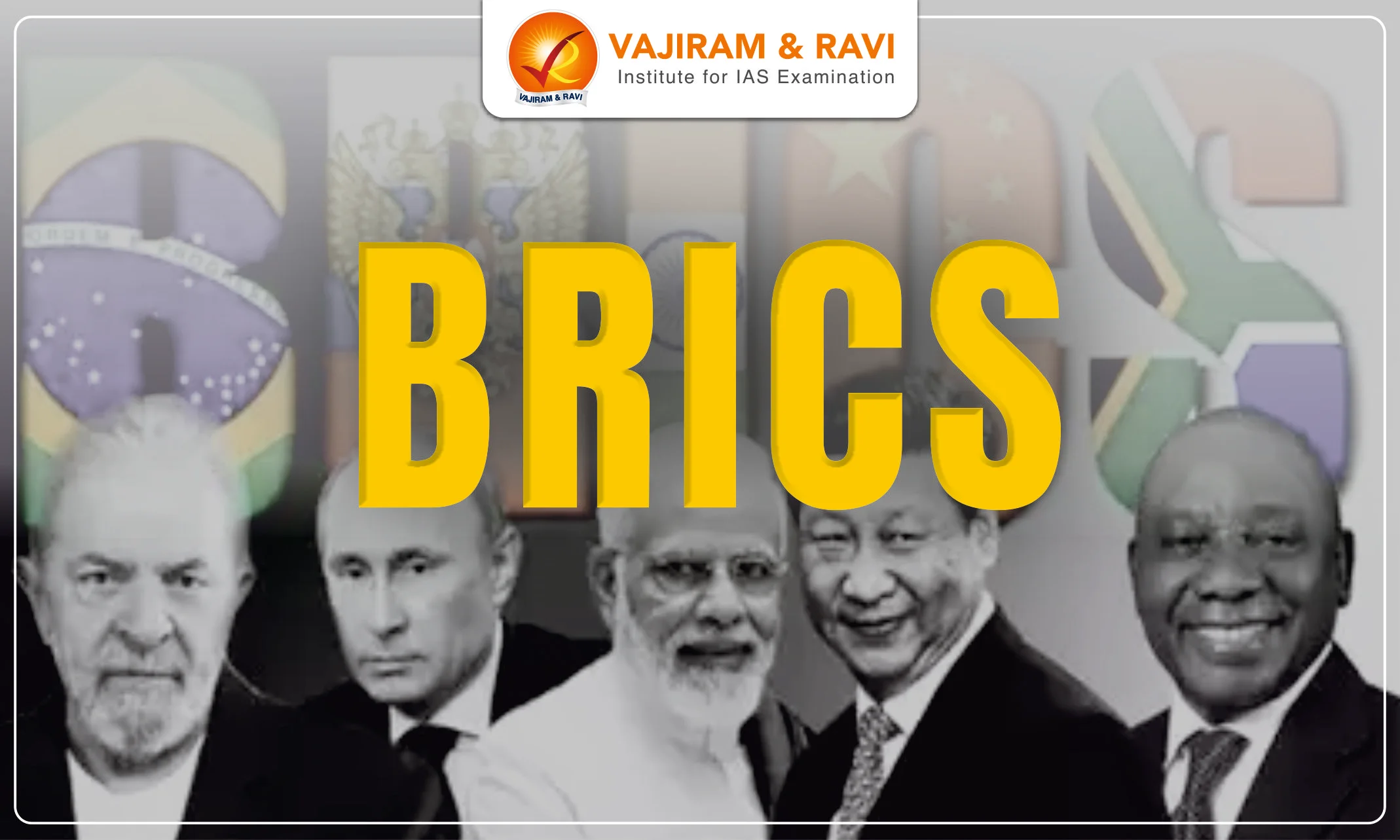
At the 2025 BRICS Business Forum in Rio de Janeiro, member nations are working to strengthen trade ties and financial collaboration. Against a backdrop of rising US-imposed tariffs, the bloc is coordinating a collective response that spans economic, political, and health dimensions.
Why Trade Cooperation Matters Now
The US has used aggressive trade tools, including a 10 % blanket tariff and more extreme measures towards China (up to 145 %). This moves prompted BRICS nations to call out “unjustified unilateral protectionist measures”
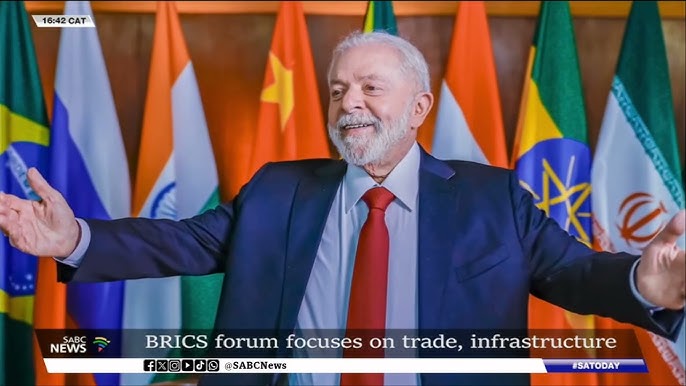
At the Rio forum, Brazil’s Foreign Minister Mauro Vieira declared that BRICS rejects any form of protectionism and strongly supports multilateral trade mechanisms
Key Outcomes from the Forum
- Unified stance on finance reform: The finance ministers issued a joint proposal to reform IMF quotas and advocated ending traditional European leadership—marking the bloc’s first consensus on this front
- Creation of an NDB-backed guarantee system: Aimed at reducing financing costs for large-scale projects in developing economies :
- Expanded role for the Global South: With the inclusion of Egypt, Ethiopia, Indonesia, Iran, Saudi Arabia, and the UAE, BRICS now covers over 50 % of the global population and 40 % of world GDP
- Strategic focus on climate and multilateralism: Investments are being directed to initiatives like the “Tropical Forests Forever” facility ahead of COP events
Spotlight on South Africa
A senior South African BRICS Business Council leader, Dr. Stavros Nicolaou, highlighted that US funding cuts—totaling approximately R10 billion (~US $600 million), including HIV/AIDS and clinical drug research—are forcing Pretoria to look for alternative financing
“The funding that South Africa receives from the United States… amounts to almost R10 billion… a 10 billion gap that we need to fill.” – Dr. Stavros Nicolaou
He urges diversification—securing trade with the US, EU, BRICS nations, and the wider Global South, while prioritizing manufacturing, energy, and logistics reforms to sustain growth
Challenges Facing the BRICS Bloc
Despite this progress, the group faces internal friction. Diverse political systems and economic crises—such as the Ethiopia–Egypt Nile dispute—complicate consensus
Notable absences also drew attention: China’s Xi Jinping and Russia’s Vladimir Putin were absent—the former sent his prime minister, the latter attended virtually due to an ICC warrant
Outlook & Next Steps
As leaders prepare to convene, key priorities include:
- Pressing forward with IMF reform proposals at the December Review.
- Launching NDB-backed financing tools to support infrastructure, health, and climate goals.
- Building trade resilience via currency diversification—moving away from reliance on the US dollar :contentReference[oaicite:14]{index=14}.
- Seeking a more unified trade strategy, while managing internal geopolitical divisions.
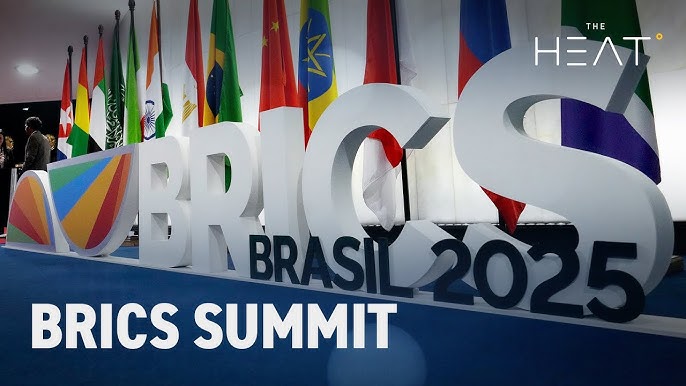
The outcome in Rio will test whether BRICS can balance economic ambitions with growing diversity and geopolitical complexity.
External Links 📌
- Reuters: BRICS joint statement
- Reuters: Shared response to Trump tariffs
- Internal: IMF Reform Analysis
THIS POST BY sabcnews.com
FOR MORE NEWS VISIT OUR WEBSITE