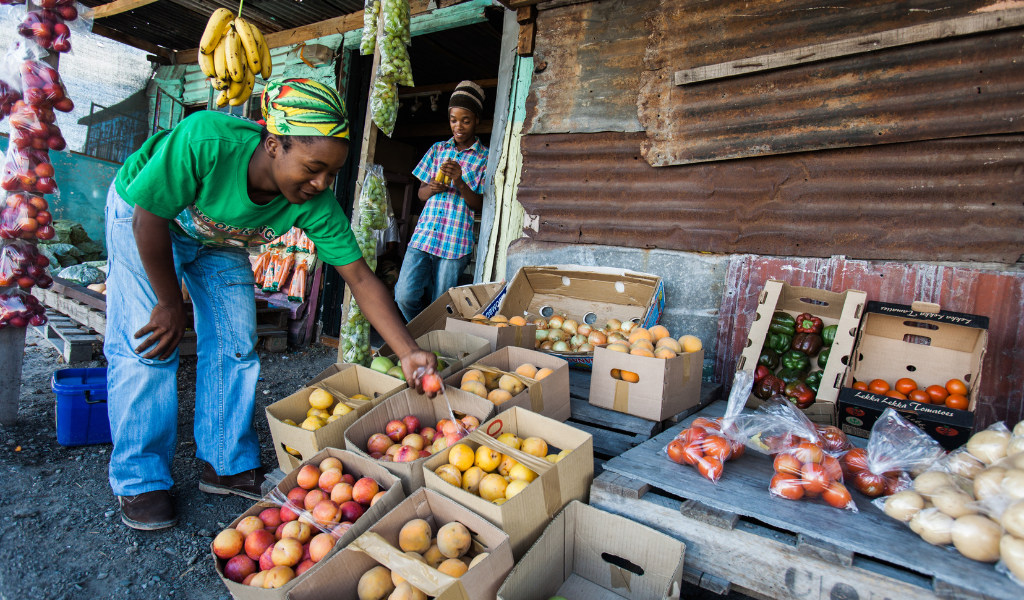
In 2025, the Socio-Economic Rights Institute (SERI) reveals a deepening groceries crisis in South Africa, with millions of households struggling to afford basic food items each month. The report highlights how rising food prices, stagnant wages, and high unemployment have pushed families to make difficult choices between essentials like groceries, rent, and electricity. Many low-income communities are forced to cut meal portions or skip meals altogether, raising concerns about hunger and malnutrition. SERI’s findings call for urgent government intervention, stronger social protection measures, and fairer economic policies to ensure that every South African has access to affordable, nutritious groceries. This growing challenge reflects broader economic inequality and places a spotlight on the urgent need for solutions to prevent further hardship.
Food Insecurity in 2025: The Harsh Reality
According to SERI, more than one-third of surveyed households reported running out of food before the month ends. The majority of these families depend on social grants, casual labor, or seasonal employment, making it nearly impossible to stretch their income over a 30-day period.
“What we’re witnessing is not just hunger but chronic food insecurity,” said Dr. Lwazi Ndlovu, a lead researcher at SERI. “Families are skipping meals or relying on low-nutrient, starchy foods just to survive.”
The Cost of Groceries Is Soaring
Food inflation in South Africa continues to rise, with essential items like maize meal, cooking oil, bread, and eggs seeing price hikes of over 15% in the past year alone. Data from Statistics South Africa confirms that average grocery bills have increased faster than overall inflation rates.
This means that even households earning minimum wage or receiving government grants are unable to purchase enough food to last the month.
How Families Are Coping
Families are adopting desperate coping strategies, including:
- Reducing meal portions or skipping meals entirely
- Relying on school feeding programs for children’s only daily meal
- Buying food on credit or turning to loan sharks
- Eating cheaper, less nutritious food
“We’ve started cooking only once a day,” says Thandi Mokoena, a mother of three living in Soweto. “The kids eat at school, and in the evening we share one pot of pap with cabbage or beans.”
Nutrition and Long-Term Health Risks
Malnutrition is on the rise, especially among children in urban and peri-urban areas. According to the South African National Nutrition Survey, 27% of children under five are stunted a sign of chronic undernutrition.
“Food insecurity is not just a hunger issue, it’s a public health crisis,” noted Dr. Zanele Kumalo, a pediatric nutritionist. “Poor nutrition leads to developmental delays, weakened immunity, and long-term cognitive challenges.”
What SERI Recommends
SERI’s report calls for urgent intervention from government, the private sector, and civil society. Key recommendations include:
- Expanding social grants and ensuring inflation-linked adjustments
- Subsidizing basic food items for low-income households
- Supporting urban farming and local food systems
- Improving food distribution networks in rural and informal settlements
“South Africa has enough food the crisis is about access and affordability,” said the report. SERI urges immediate action to prevent further deterioration of household food security.
The Role of Government and Policy Shifts
The Department of Social Development has acknowledged the crisis, promising to review the Child Support Grant and Basic Income Grant models. However, critics argue that more aggressive policies are needed, including minimum wage reform, land access for food production, and price regulation for staple foods.
Meanwhile, the South African Social Security Agency (SASSA) continues to roll out food parcels and emergency vouchers in high-need communities, though demand is far outstripping supply.
Local Initiatives Providing Relief
“While the government talks, we act,” says Imtiaz Sooliman, founder of Gift of the Givers. “But without systemic reform, charity is just a band-aid over a bullet wound.”
Conclusion: A Nation at a Crossroads
South Africa faces a deepening groceries and food security crisis. With food prices rising and incomes stagnant, millions of citizens are unable to meet one of their most basic human rights: the right to adequate food.
Addressing this challenge requires bold policy decisions, public-private partnerships, and urgent social investment. Without swift action, food insecurity may become a permanent feature of life for many South Africans.